
"Transforming undervalued assets into realized wealth. Our case studies are the blueprints of our precision and your profit."
Our Case Studies
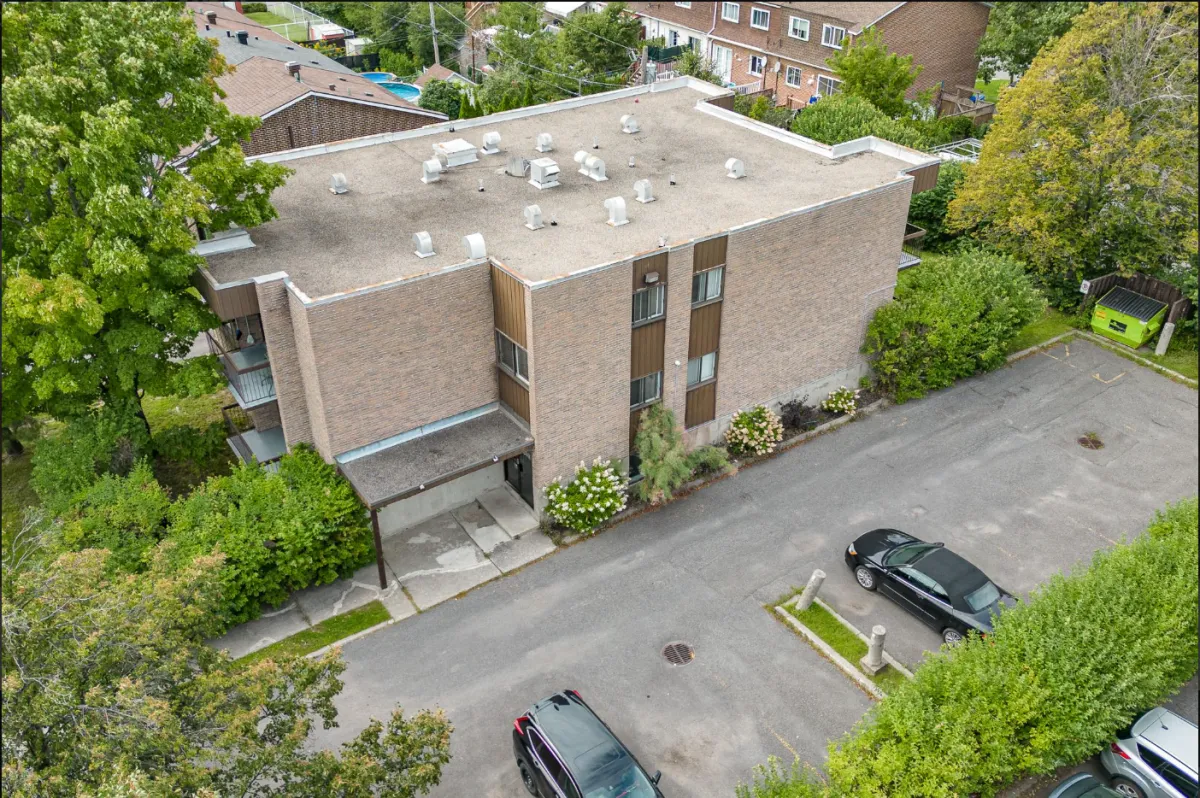
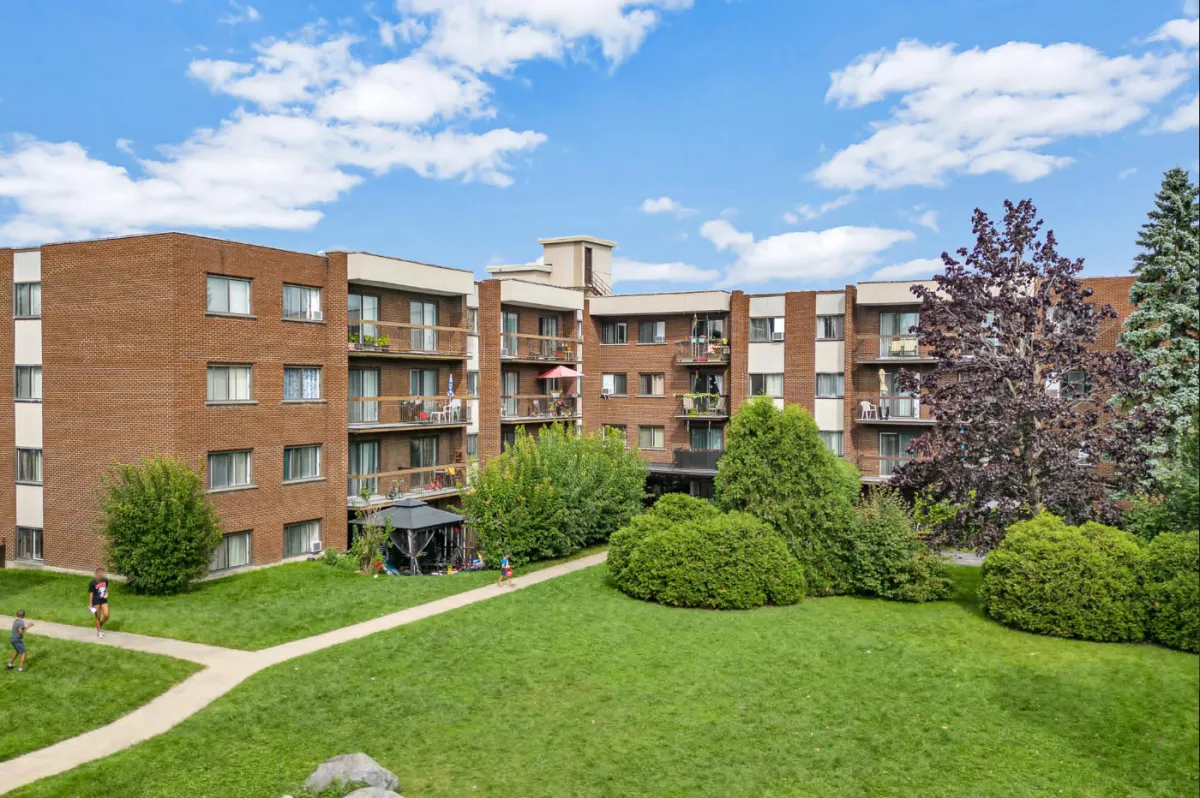
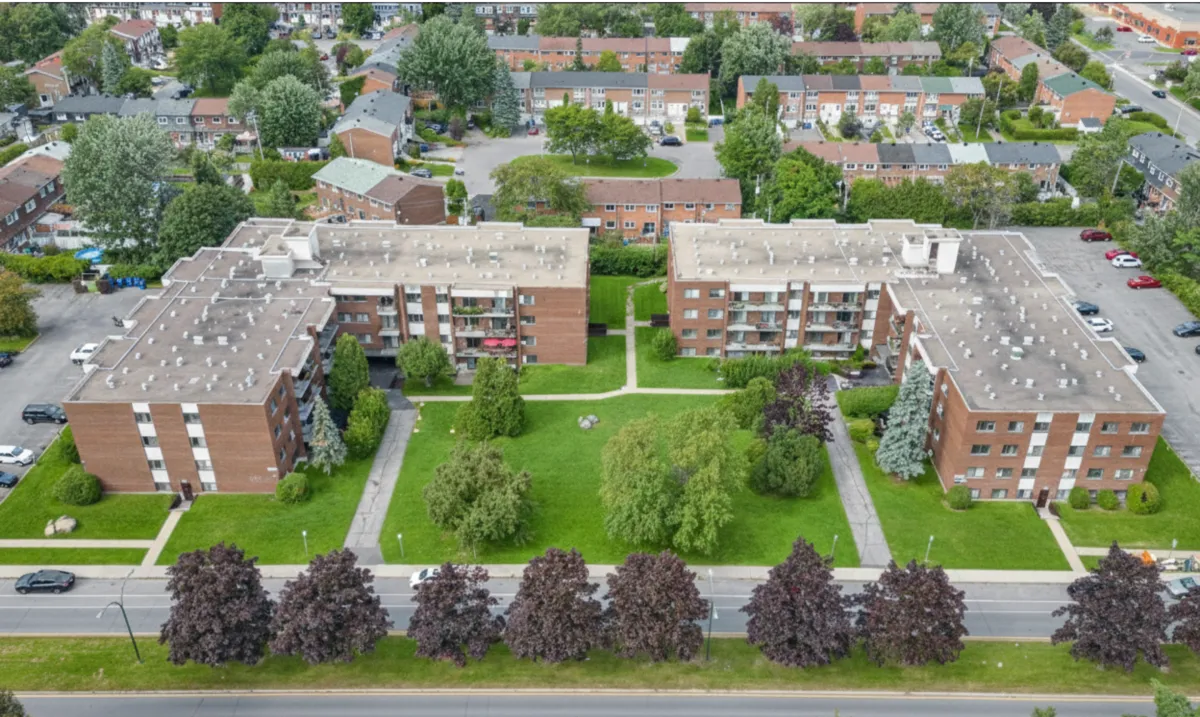
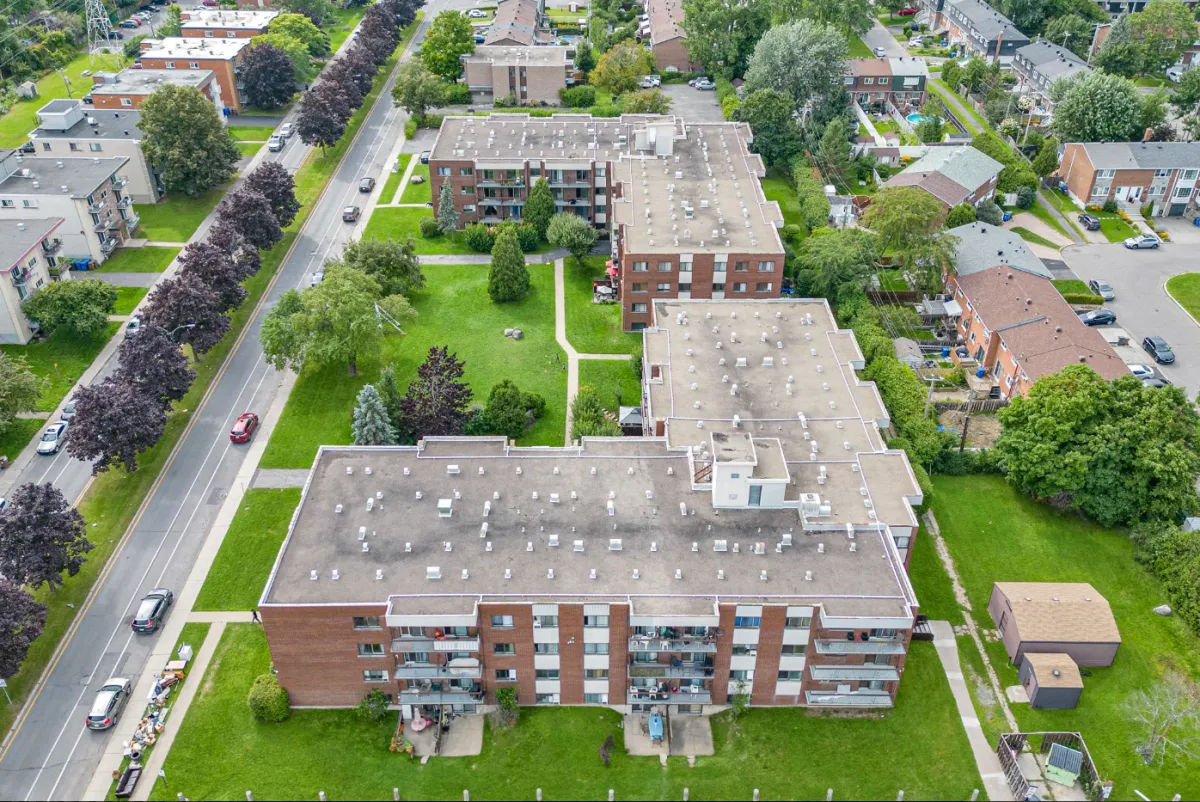
Multifamily Case Study: The Provencher Project
123-Unit Value-Add Investment | 36-Month Execution | Capital Preservation Focus
INVESTMENT OVERVIEW
The Provencher Project is a completed 123-unit multifamily value-add investment that demonstrates our
approach to disciplined execution, operational improvement, and risk-adjusted returns. The property
was acquired for $19,000,000 at a time when it was operationally underperforming, producing
approximately $1.3 million in annual gross revenue. This case study is presented to illustrate a
historical investment strategy executed under specific market conditions.
THE OPPORTUNITY
At acquisition, the asset suffered from: Inefficient management, Sub-optimal operations,
Below-market revenue performance, rather than relying on market appreciation, the
investment thesis focused on forced appreciation through direct operational control
and structured execution.
EXECUTION & VALUE-ADD STRATEGY
Over a 36-month hold period, the project was repositioned through:
Professional management restructuring.
Operational optimization and expense control.
Targeted capital improvements designed to enhance durability and income.
As a result, annual gross revenue increased from $1.3M to $1.75M, representing a 34% income increase driven by fundamentals.
FINANCIAL RESULTS
Current Valuation: $28,000,000
Total Value Created: $9,000,000
Initial Cash Invested: $3,000,000
This outcome reflects execution discipline, not speculation.
INVESTOR STRUCTURE & ECONOMICS
The investment was structured as a performance-based partnership. Investor capital was prioritized,
with profits distributed only after the full return of contributed capital.
Profit Split: 70% Investors / 30% Management
Total Net Profit to Investors: $6,300,000
Investor Equity Multiple: 3.1x
Average Annualized Return: Approximately 70% per year over the investment term
Capital Illustration (Example Only)
For illustrative purposes, an investor who committed $100,000 to the Provencher Project
would have received approximately $310,000 over the 36-month investment period.
Disclaimer: This case study is for illustrative purposes only and reflects a single historical investment. Past performance does not guarantee future results. This material does not constitute an offer to sell or a solicitation of an offer to buy securities. All investments involve risk, including the possible loss of capital.
123-Unit Value-Add Investment | 36-Month Execution | Capital Preservation Focus
INVESTMENT OVERVIEW
The Provencher Project is a completed 123-unit multifamily value-add investment that demonstrates our approach to disciplined execution, operational improvement, and
risk-adjusted returns. The property was
acquired for $19,000,000 at a time when
it was operationally underperforming,
producing approximately $1.3 million in
annual gross revenue. This case study is
presented to illustrate a historical investment strategy executed under specific market conditions.
THE OPPORTUNITY
At acquisition, the asset suffered from: Inefficient management, Sub-optimal operations,
Below-market revenue performance,
rather than relying on market appreciation,
the investment thesis focused on forced appreciation through direct operational
control and structured execution.
EXECUTION & VALUE-ADD STRATEGY
Over a 36-month hold period,
the project was repositioned through:
Professional management restructuring.
Operational optimization and expense control.
Targeted capital improvements designed to enhance durability and income.
As a result, annual gross revenue increased from $1.3M to $1.75M, representing a 34% income increase driven by fundamentals.
FINANCIAL RESULTS
Current Valuation: $28,000,000
Total Value Created: $9,000,000
Initial Cash Invested: $3,000,000
This outcome reflects execution discipline, not speculation.
INVESTOR STRUCTURE & ECONOMICS
The investment was structured as a performance-based partnership. Investor capital was prioritized,
with profits distributed only after the full return of contributed capital.
Profit Split: 70% Investors / 30% Management
Total Net Profit to Investors: $6,300,000
Investor Equity Multiple: 3.1x
Average Annualized Return: Approximately 70% per year over the investment term
Capital Illustration (Example Only)
For illustrative purposes, an investor who committed $100,000 to the Provencher Project
would have received approximately $310,000 over the 36-month investment period.
Disclaimer: This case study is for illustrative purposes only and reflects a single historical investment.
Past performance does not guarantee future
results. This material does not constitute an
offer to sell or a solicitation of an offer to buy securities. All investments involve risk
including the possible loss of capital.
Case Study: The Lachine Property
47-Unit Multifamily | Value-Add | Buy–Renovate–Refinance Strategy
INVESTMENT OVERVIEW
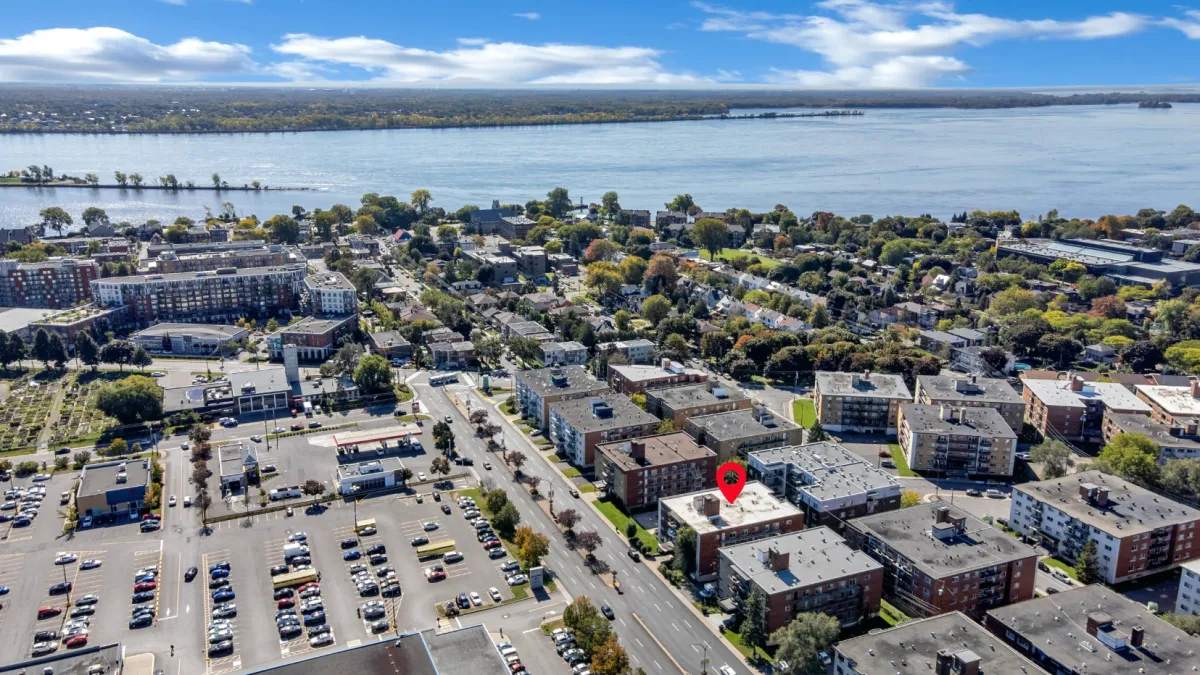
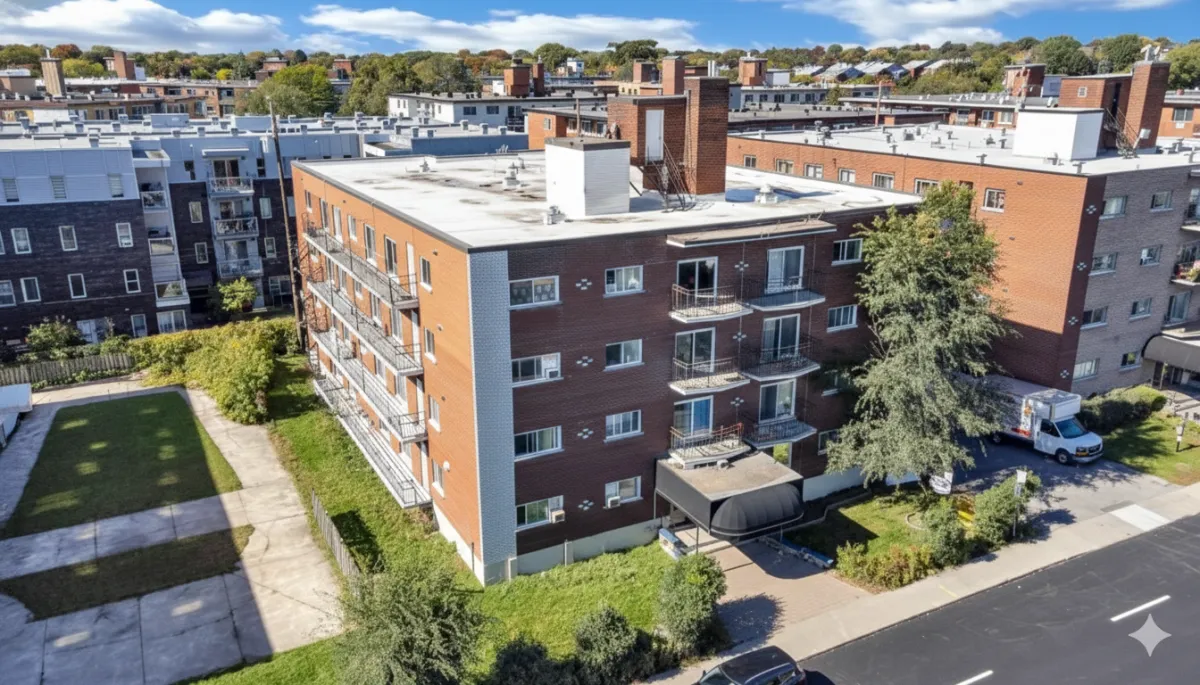
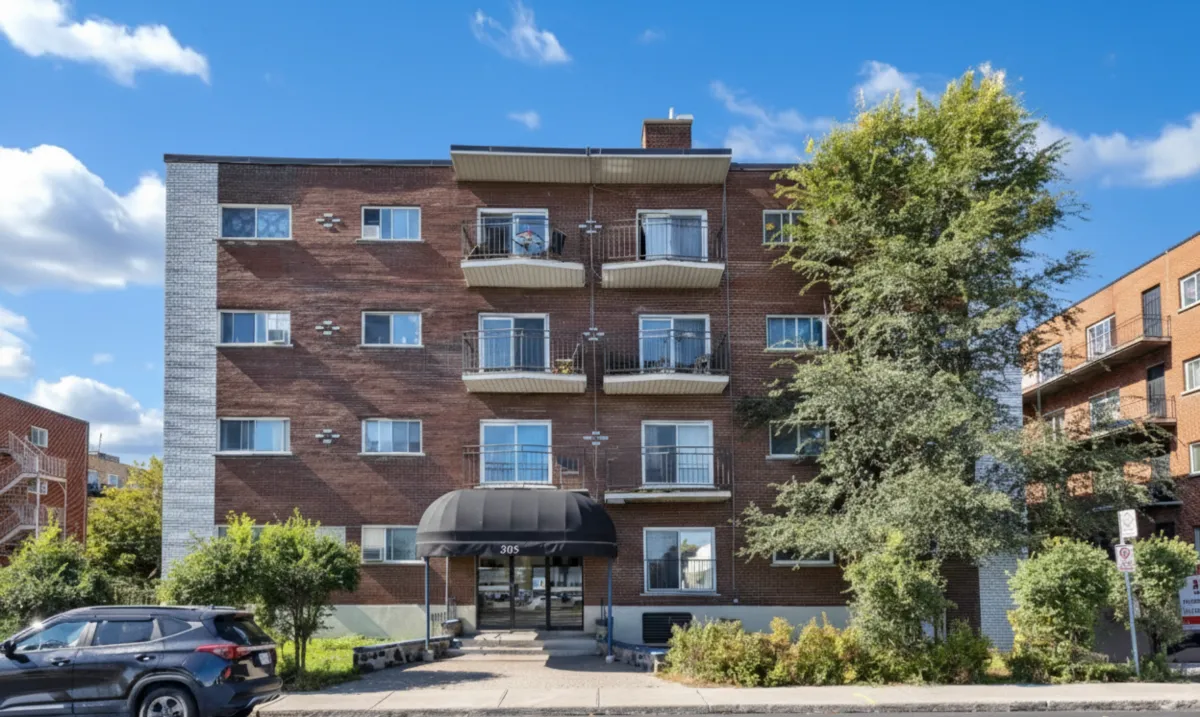
The Lachine Property is a 47-unit multifamily residential asset acquired as part of a disciplined value-add strategy focused on operational improvement and capital efficiency. The property was acquired for $5.9 million and, at the time of purchase, exhibited meaningful operational inefficiencies. These conditions created a clear opportunity to increase Net Operating Income through execution rather than market reliance.
THE OPPORTUNITY
At acquisition, the asset was underperforming
due to: Inefficient operations.
Below-market revenue performance.
Untapped value through renovation and repositioning.
Our objective was to apply a structured
buy–renovate–refinance strategy to
materially improve income and
unlock embedded equity.
Execution Strategy (36-Month Timeline)
Over a three-year execution period, the
property was repositioned through:
Targeted renovations.
Operational optimization.
Revenue and expense discipline.
As a result, gross revenue increased by approximately 35%, driving a substantial increase in Net Operating Income and
enabling a cash-out refinance.
Capital Event: Refinance & Capital Recovery
Original Investor Cash Invested: $2,000,000
Time to Refinance: 36 months
Refinance Proceeds: 100% return of initial
investor capital
At the refinance event, all investor capital was returned, effectively de-risking the investment
while maintaining ownership.
Current Asset Position
Current Asset Valuation: $10,000,000+
New Mortgage: $6,800,000
Remaining Equity: $3,200,000
Investor Position Post-Refinance
Capital at Risk: $0 (initial capital fully returned)
Ongoing Ownership: Investors retain 67% ownership of the remaining equity
Cash Flow: Continued participation in monthly distributions
The “Infinite Return” Framework (Conceptual)
With all original capital returned through
refinancing, investors continue to
participate in cash flow and equity
appreciation without capital remaining in
the deal. As a result, future cash-on-cash
returns are theoretically uncapped,
subject to ongoing asset performance
and market conditions.
Disclaimer: All information presented is for informational and illustrative purposes only and does not constitute an offer to sell or a solicitation of an offer to buy any securities. Case studies reflect selected historical investments executed under specific market conditions. Past performance does not guarantee future results. All investments involve risk, including the potential loss of capital. No returns, outcomes, or capital events are guaranteed.
47-Unit Multifamily | Value-Add | Buy–Renovate–Refinance Strategy
INVESTMENT OVERVIEW
The Lachine Property is a 47-unit multifamily residential asset acquired as part of a disciplined value-add strategy focused on
operational improvement and capital efficiency. The property was acquired for $5.9 million and, at the time of purchase,
exhibited meaningful operational inefficiencies. These conditions created a clear opportunity to increase
Net Operating Income through execution rather than market reliance.
THE OPPORTUNITY
At acquisition, the asset was underperforming due to: Inefficient operations.
Below-market revenue performance.
Untapped value through renovation and repositioning.
Our objective was to apply a structured buy–renovate–refinance strategy to materially improve income and unlock embedded equity.
Execution Strategy (36-Month Timeline)
Over a three-year execution period, the property was repositioned through:
Targeted renovations.
Operational optimization.
Revenue and expense discipline.
As a result, gross revenue increased by approximately 35%, driving a substantial increase in Net Operating Income and
enabling a cash-out refinance.
Capital Event: Refinance & Capital Recovery
Original Investor Cash Invested: $2,000,000
Time to Refinance: 36 months
Refinance Proceeds: 100% return of initial investor capital
At the refinance event, all investor capital was returned, effectively de-risking the investment while maintaining ownership.
Current Asset Position
Current Asset Valuation: $10,000,000+
New Mortgage: $6,800,000
Remaining Equity: $3,200,000 Investor Position Post-Refinance
Capital at Risk: $0 (initial capital fully returned)
Ongoing Ownership: Investors retain 67% ownership of the remaining equity
Cash Flow: Continued participation in monthly distributions
The “Infinite Return” Framework (Conceptual)
With all original capital returned through refinancing, investors continue to participate in cash flow and equity
appreciation without capital remaining in the deal. As a result, future cash-on-cash
returns are theoretically uncapped, subject to ongoing asset performance
and market conditions.
Disclaimer: All information presented is for informational and illustrative purposes only and does not constitute an offer to sell or a solicitation of an offer to buy any securities. Case studies reflect selected historical investments executed under specific market conditions. Past performance does not guarantee future results. All investments involve risk, including the potential loss of capital. No returns, outcomes, or capital events are guaranteed.
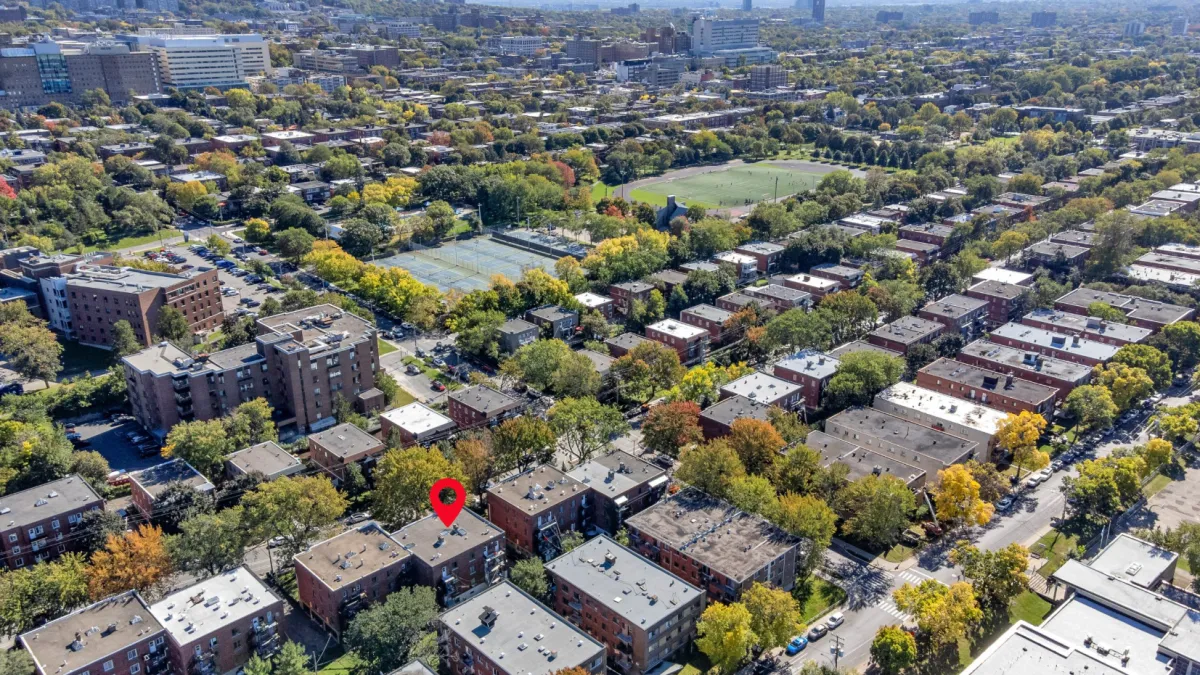
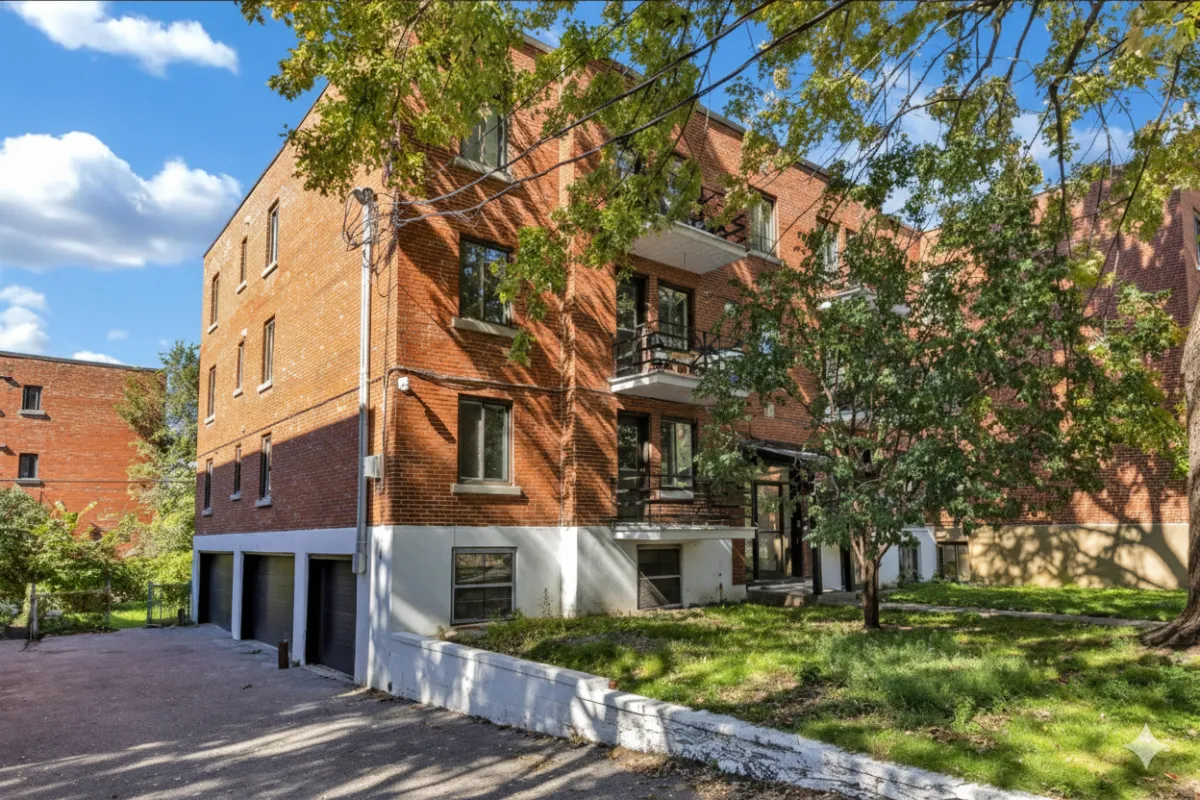
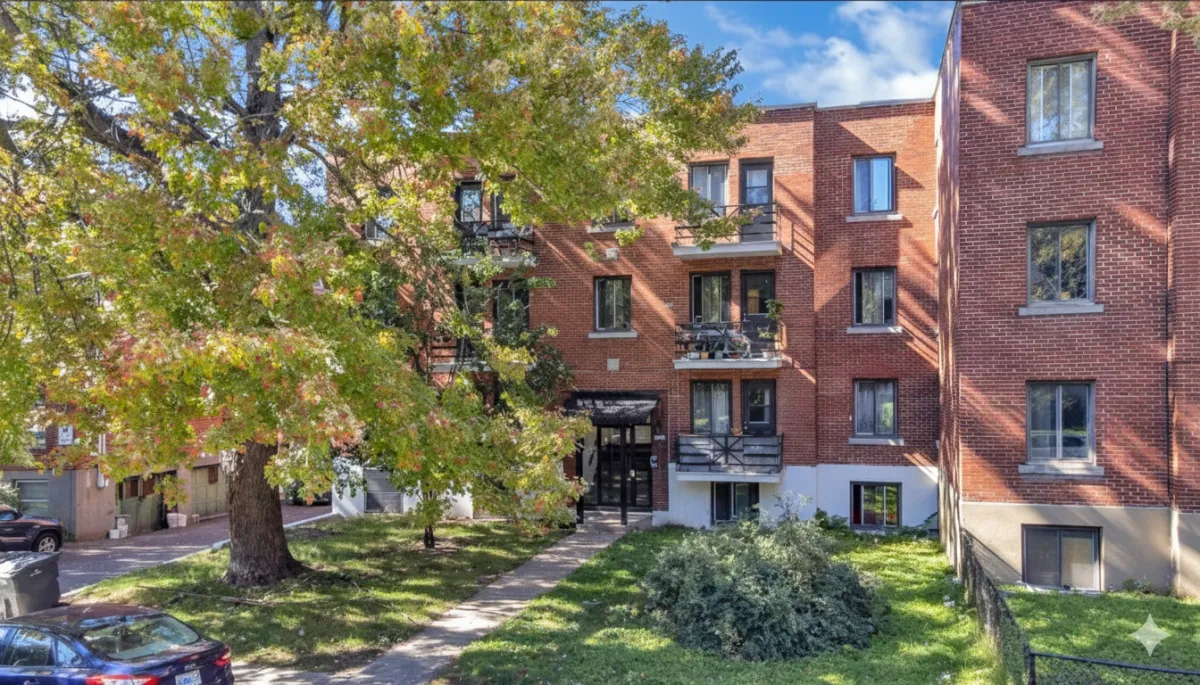
Case Study: The 10-Unit Foundation Project
10-Unit Multifamily | Deep Value-Add | Capital Recycling Strategy
Investment Overview
The Foundation Project is a 10-unit multifamily value-add investment acquired in 2018.
The asset was distressed, operationally mismanaged, and materially underperforming at the time of purchase.
We acquired the property for $1.1 million with a clear thesis: execute a full-scale rehabilitation, stabilize operations,
and recycle capital through refinancing to fund future acquisitions.
The Opportunity
At acquisition, the property faced:
Severe physical deterioration.
Below-market rents.
Operational instability.
Rather than incremental improvements, the business plan called for a full
“gut-to-studs” rehabilitation to fundamentally reposition the asset and reset its income profile.
Execution Strategy
Over a 30-month execution period, we completed a comprehensive building transformation:
Full interior and exterior renovation.
Modernized unit layouts and finishes.
Stabilized management and operations.
Total capital invested into renovation and carry was approximately $1.0 million.
Once stabilized, the asset was positioned for a refinance to recover invested
capital and redeploy it into the next opportunity.
Capital Event: Refinance & Capital Recycling
Total Renovation & Carry Investment: $1,000,000
Refinance Valuation: $3,200,000
New Mortgage: $1,950,000
Through refinancing, 100% of the initial invested capital was returned to the
partners, effectively recycling capital while retaining ownership.
Current Asset Position
Asset Value: $3,200,000
Loan-to-Value: ~60%
Remaining Equity: $1,250,000
The conservative debt structure provides durability through market cycles and preserves long-term optionality.
Investor Position Post-Refinance
Equity Ownership: Investors retain 50% ownership of the property
Investor Equity Value: Approximately $625,000
Capital at Risk: $0 (initial capital fully returned)
Cash Flow: The asset is now stabilized and cash-flow positive
With no remaining capital invested, ongoing distributions represent yield generated
from retained ownership rather than contributed capital.
Disclaimer: All information presented is for informational and illustrative purposes only and does not constitute an offer to sell or a solicitation of an offer to buy any securities. Case studies reflect selected historical investments executed under specific market conditions. Past performance does not guarantee future results. All investments involve risk, including the potential loss of capital. No returns, outcomes, or capital events are guaranteed.
10-Unit Multifamily | Deep Value-Add | Capital Recycling Strategy
Investment Overview
The Foundation Project is a 10-unit multifamily value-add investment acquired in 2018.
The asset was distressed, operationally
mismanaged, and materially underperforming
at the time of purchase. We acquired the
property for $1.1 million with a clear thesis:
execute a full-scale rehabilitation, stabilize operations, and recycle capital through
refinancing to fund future acquisitions.
The Opportunity
At acquisition, the property faced:
Severe physical deterioration.
Below-market rents.
Operational instability.
Rather than incremental improvements, the
business plan called for a full “gut-to-studs”
rehabilitation to fundamentally reposition
the asset and reset its income profile.
Execution Strategy
Over a 30-month execution period, we completed
a comprehensive building transformation:
Full interior and exterior renovation.
Modernized unit layouts and finishes.
Stabilized management and operations.
Total capital invested into renovation and
carry was approximately $1.0 million.
Once stabilized, the asset was positioned
for a refinance to recover invested
capital and redeploy it into the next opportunity.
Capital Event: Refinance & Capital Recycling
Total Renovation & Carry Investment: $1,000,000
Refinance Valuation: $3,200,000
New Mortgage: $1,950,000
Through refinancing, 100% of the initial invested capital was returned to the partners, effectively recycling capital while retaining ownership.
Current Asset Position
Asset Value: $3,200,000
Loan-to-Value: ~60%
Remaining Equity: $1,250,000
The conservative debt structure provides durability through market cycles and preserves
long-term optionality.
Investor Position Post-Refinance
Equity Ownership: Investors retain 50%
ownership of the property
Investor Equity Value: Approximately $625,000
Capital at Risk: $0 (initial capital fully returned)
Cash Flow: The asset is now stabilized and
cash-flow positive
With no remaining capital invested, ongoing distributions represent yield generated
from retained ownership rather than
contributed capital.
Disclaimer: All information presented is for informational and illustrative purposes only and does not constitute an offer to sell or a solicitation of an offer to buy any securities. Case studies reflect selected historical investments executed under specific market conditions. Past performance does not guarantee future results. All investments involve risk, including the potential loss of capital. No returns, outcomes, or capital events are guaranteed.
Contact us for a
free consultation
The best opportunities never hit the open market. Join our inner circle to unlock our private deal flow and gain first-access to institutional-grade assets before they go public. Your path to passive wealth starts with a single conversation—let’s discuss your seat at the table.


QUICK LINKS
CONTACT US
ADDRESS : 3675 Bd de la Grande-Allée #100, Boisbriand, QC J7H 1H5
PHONE : 450-238-0470
E-MAIL : [email protected]
© Copyright 2026. Abe Lam Realty. All Rights Reserved.
The information on this website is provided for general informational purposes only and does not constitute legal, tax, investment, or financial advice.
Abelam Realty does not offer or sell securities to the general public.
Any investment opportunities are made available only to qualified investors in accordance with applicable Canadian securities laws, including those of Québec.
All real estate investments involve risk, including the possible loss of capital. Past performance is not indicative of future results.
Prospective investors should consult their own legal, tax, and financial advisors before making any investment decision.